Project
Club Culture in Camden Town 1988 - 2000
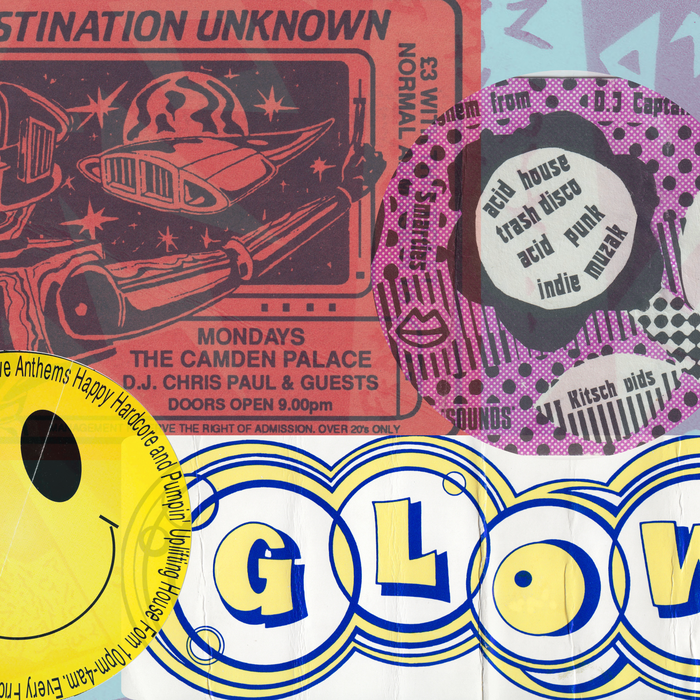
The Museum of Youth Culture and phatmedia present a collection of Camden club flyers from venues around Camden High Street from 1988 - 2000.
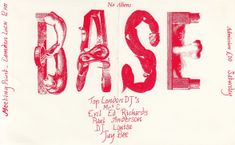
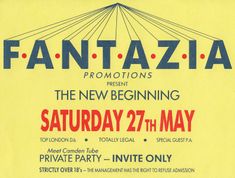
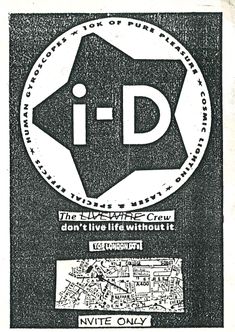
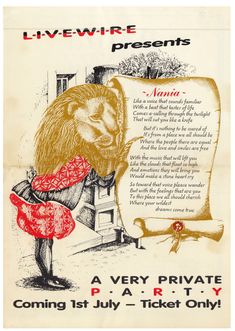
The Second Summer of Love changed club culture in Britain forever. New electronic sounds from the motor cities of the States and the beach clubs of the Balearics inspired DJs and promoters to put on parties with a new kind of sound; house and techno tracks that could be cut and mixed into all-night sets, extending the life of the party into the early hours and beyond . As a result, from ‘88 - ‘89 emerged a radical new party: Raves. From small basement clubs to 25K+ outdoor parties, the scene enraptured youth culture across the UK
Along Camden Town High Street a handful of clubs played a pivotal role in the scene; Camden Palace, now known as Koko, Electric Ballroom and Dingwalls. In this exhibition, the Museum of Youth Culture explores these venues and the nights they hosted through the medium of some of the iconic flyers they produced, courtesy of the phatmedia collection.
“The origins of club culture are as murky as the memories of a night out itself, whether spent in a sweaty nightclub, an abandoned warehouse or at an open air raves.”
Dr Catharine Rossi
Flyers are your calling card, the way to get people to your party. The Rave scene emerged as new digital technologies were coming in, and access to computers, whether through a dad’s office or art school computer lab, became easier. As the scene took hold, flyers became more elaborate as promoters utilised eye-catching artwork to get the punters through the door. Scene design staples include the now-iconic smileyface, futuristic sci-fi scenes, art-catalogue photocopies, brand bootlegs and bold graphic typography.
Alongside powerful layouts, flyers had to convey all the important information for the nights; who’s playing, where to go and extra activities from bumpercars, laser light shows, to fun fairs. If a rave was above ground, you’d have a venue listed, otherwise there was a more vague set of instructions for the night, sometimes including a special phone number punters had to call in order to find out the clandestine whereabouts. Flyers were the gateway to a scene both above and underground.
We asked the team at phatmedia what makes a good flyer? They said:
“First of all, IMAGE!
The intention was to initially give people an address, a map and a location or a meeting point. But as it built and flyers got more elaborate, the intention changed to draw the people in. So after a rave, you may have taken this or that, and see a trippy psychedelic image - well it draws you in and grabs your attention straight away. “Like, wow — what is this? This looks wicked, we’re definitely going to that rave."
A good flyer grabs you instantly. It pulls you in before you’ve even read the details. And 9 times out of 10, it would be a sci-fi image from a really random, obscure book or movie from the 1970s or 80s or the work of a fantasy artist or creative photographer. A lot of times, the art wasn't original, but you would also have a key group of original artists like George Georgiou, Pez, Dave Little, Steve Reid and Andy Jackson.”
Part of the fun of a night is the journey there. The anticipation of the night ahead meant a flyer curled up in your pocket, and a vague set of instructions. Everyone hopping on the night bus or meeting along an underground line - pre-drinks in the local pub.
During the Second Summer of Love, not all Raves had a location, to keep a level of mystery or to evade a police shutdown. These Raves would have a meeting point or a raveline to call on the night for info.
In our digitally minded world, flyers have shifted to a one sided affair, with all key information on one page, shared across social media platforms and listing sites such as Resident Advisor and DICE. Despite major changes in the promotion world, and positive shifts in social attitudes towards raves, the importance of the flyer is just as apparent. The DIY ethos and bootleg culture remains a key part of flyer design, with the next generation continuing the age-old principles of visual storytelling to make their party the one to attend. Animation and video, including tools like CGI are beginning to become more commonplace as promoters look to engage younger audiences across platforms like Tiktok and Instagram. Every weekend, digital flyers continue to promote Camden venues and cement its place as a major borough for music in London.